
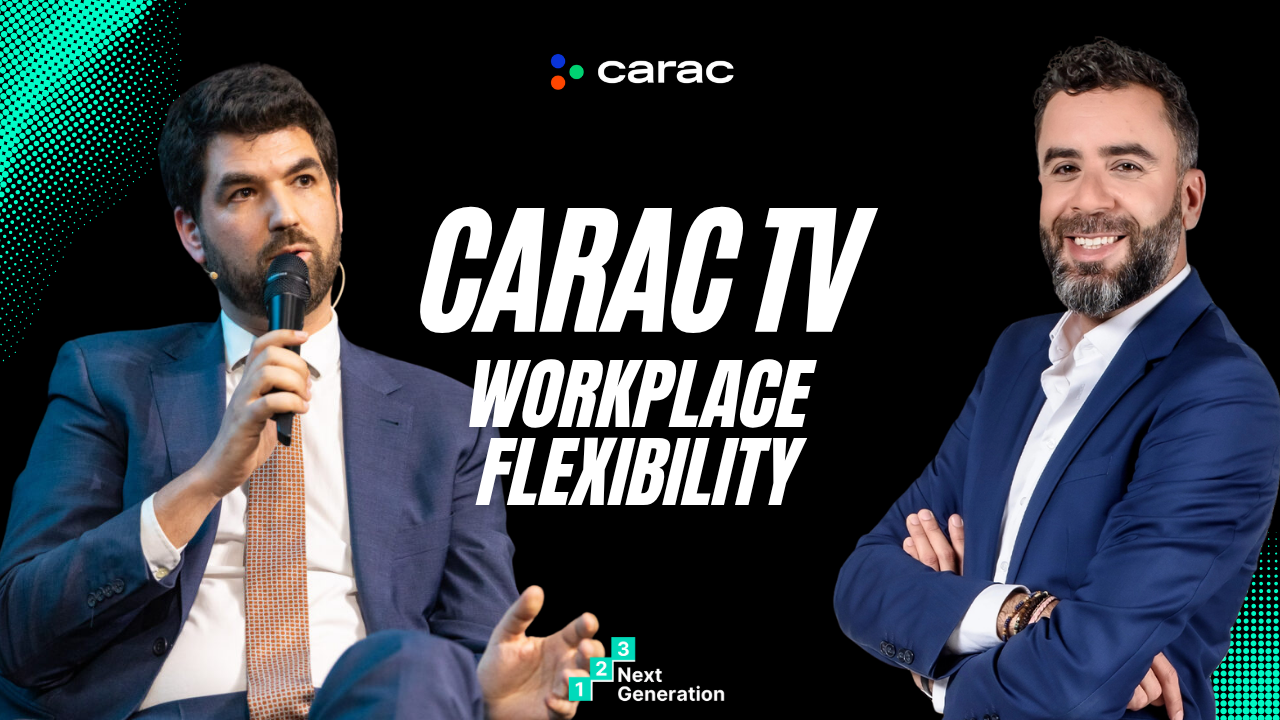
Workplace Flexibility: A Key Expectation of Generation Z
Since the COVID-19 pandemic, workplace flexibility has become a major expectation for employees, particularly among Generation Z. However, reducing this concept to remote work alone would be a mistake.
Flexibility encompasses many aspects, including work organization, working hours, the level of autonomy given to teams, and the way objectives are set and communicated. Above all, it relies on a management approach that adapts to individual needs while maintaining a clear framework for performance.
For young professionals, flexibility also means understanding the purpose behind company policies and rules. Employees are more likely to embrace a structured work environment when they understand the reasons behind it and when transparent communication explains the organization’s expectations, goals, and constraints.
Human Resources professionals and managers therefore play a crucial role. Listening to the expectations of future employees, fostering constructive dialogue, and adapting certain practices not only make recruitment easier but also improve talent retention.
At a time when many organizations are asking how to successfully manage young employees, the answer is not simply to offer more freedom. It lies in finding the right balance between autonomy, trust, communication, and clear expectations. Companies that are willing to evolve their management practices will be better positioned to attract and retain the next generation of talent.
Special thanks to Carac TV.
Workplace flexibility is important to Generation Z because it promotes a healthier work-life balance, fosters greater autonomy, and aligns with their desire for well-being, purpose, and freedom in the workplace.